Face the Kaaba.Keep the day’s prayer.
Prayer times, qibla bearing and a sourced dua library — calculated on your device, stored nowhere. Free, with analytics that only run once you say yes.
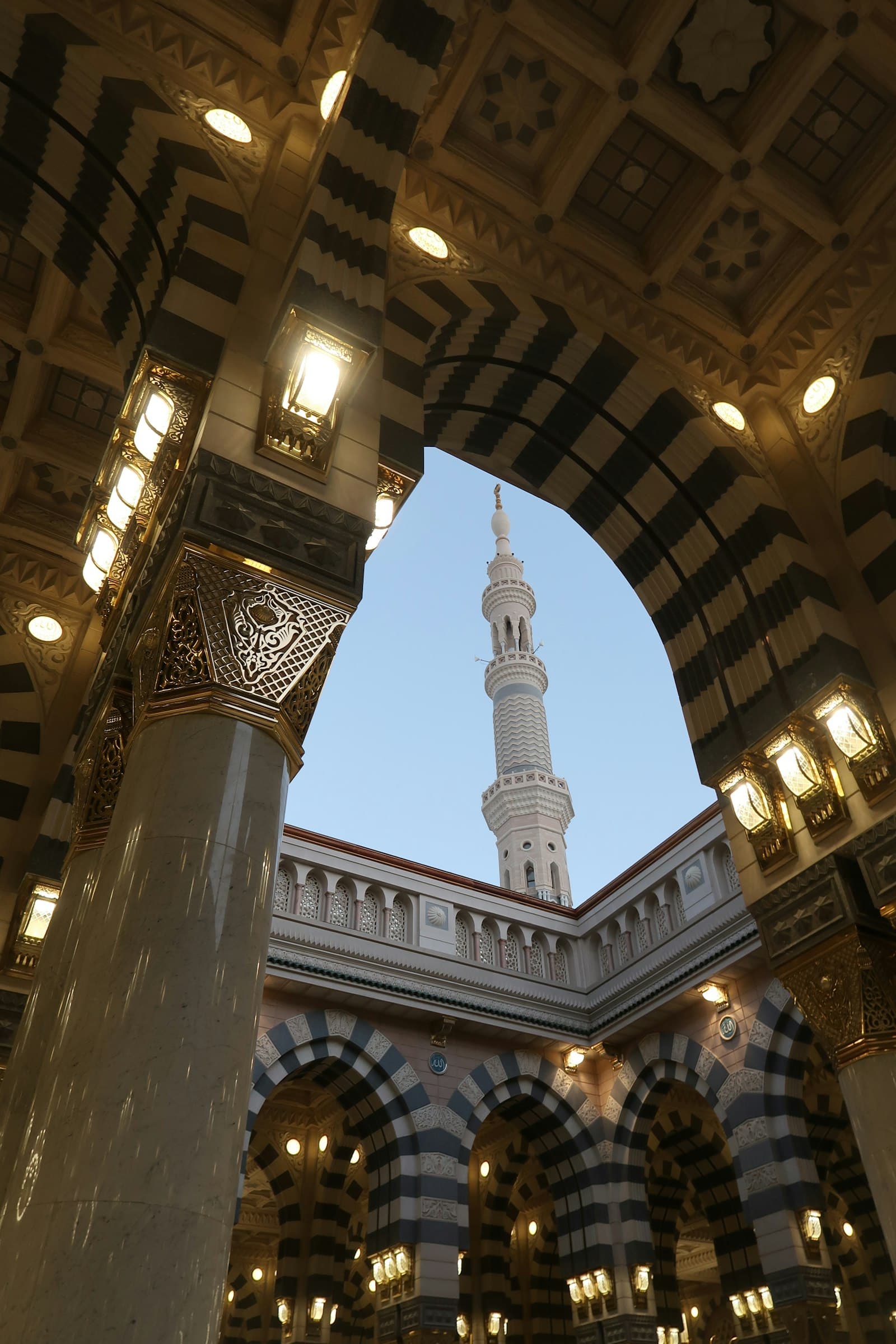
Where the day takes you
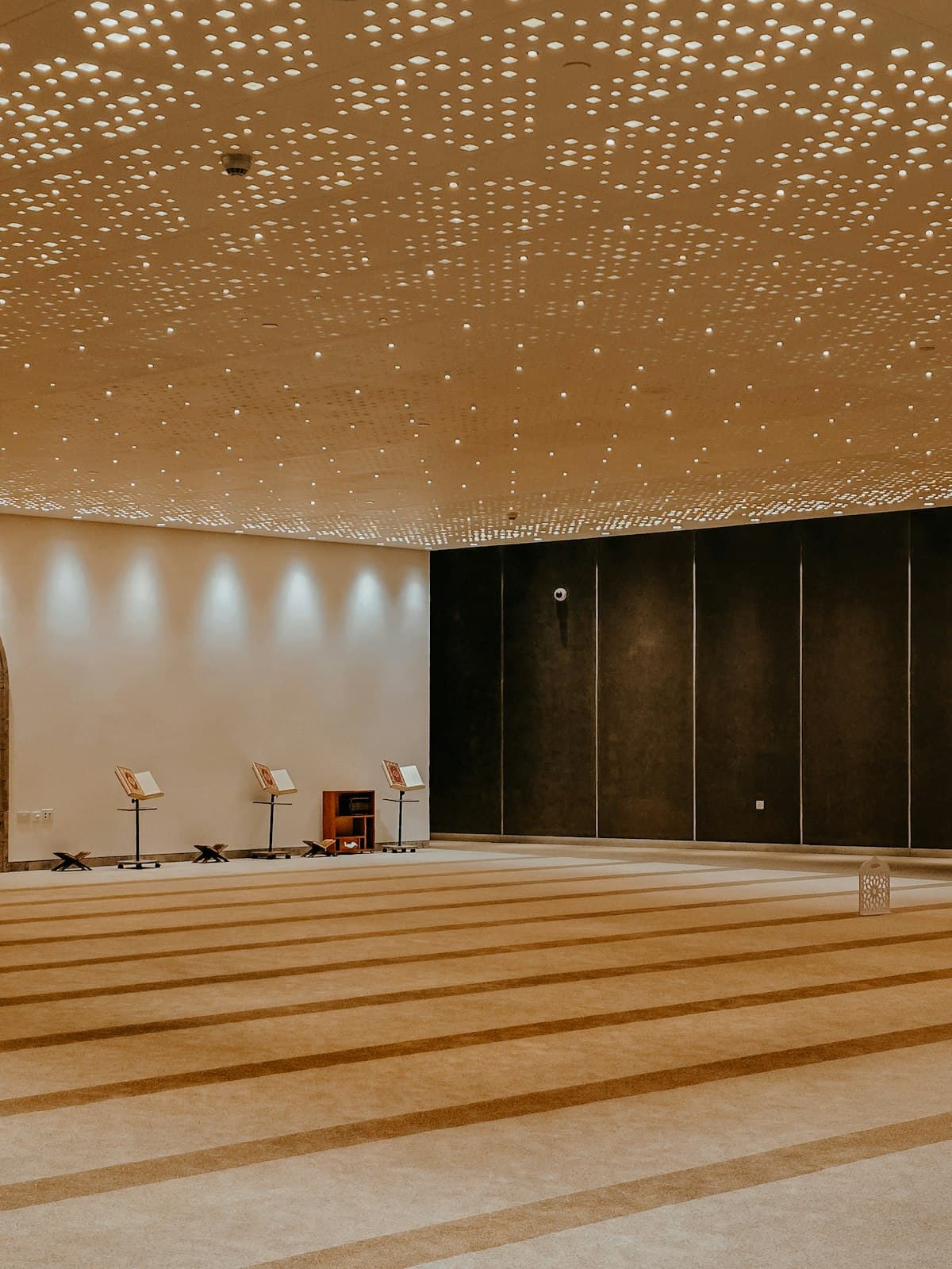
Seven calculation methods, both madhhabs, high-latitude rules explained.

150 supplications, each with its collection, number and grading.

Wudu and every rakah, step by step, with nothing assumed.
Duas you can trace to a source.
Most collections print the Arabic and stop. Every entry here names its chain and grading, so you can check it — or cite it.
Browse the library →From the blog
Questions that come up often
Troubleshooting, comparisons and the site's own measurements — why apps disagree, where the qibla really points, what to do when a notification never arrives.
All posts →- Qurbani 2027 Abroad: Dates, and Whose Eid Prayer Counts
Qurbani 2027 is expected from 16 to 18 May (19 May for Shafi'is). If your animal is in Jakarta and you are in London, its sacrifice can legitimately happen at a quarter past midnight on Eid morning — five hours before you could pray Eid yourself.
- Which Day Do You Fast Arafah When the Calendars Disagree?
In most years the ninth of Dhul Hijjah in your country and the day pilgrims stand at Arafah are the same day. When they are not, scholars genuinely differ. We set out both views, and measured how much of the pilgrims' standing actually falls inside your fast in 2027 — in Sydney, it is none of it.
- Praying at an Airport With No Prayer Room (or One You Can't Find)
Most of the problem is not the room. On a London–Dubai–Kuala Lumpur itinerary we measured, two of seven prayer windows fall entirely in the terminal, two entirely in the air and three straddle a departure or landing — and which is which decides where you actually need to find space.
Our own measurements
Out now on iOS
The same day, in your pocket.
Adhan notifications, an offline compass and the whole library. Your location never leaves the phone.